Email Us :
info@zowell.com.cn
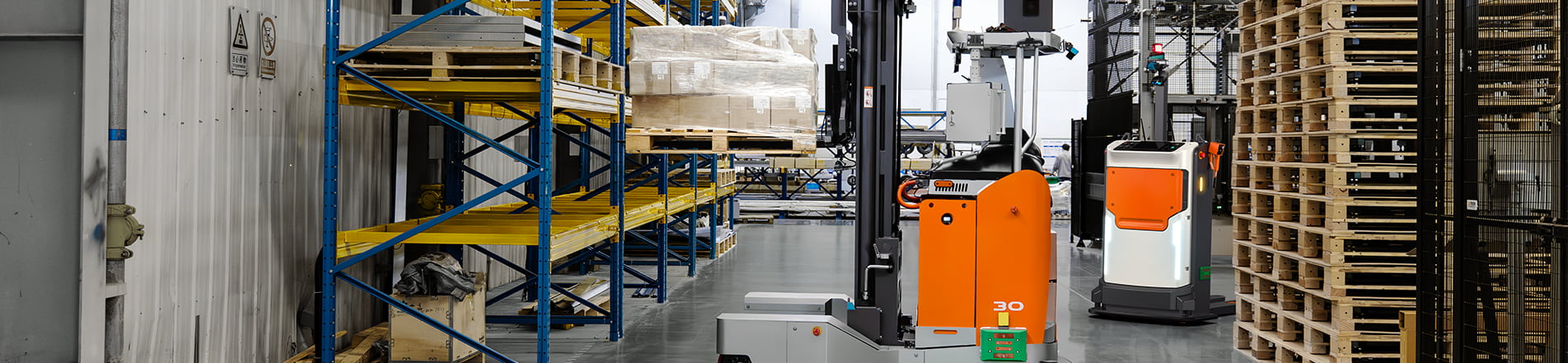
In August 2026, China Central Television (CCTV) reported on the surging overseas demand for Chinese-made material handling equipment under the headline "Domestic forklifts go global, orders extend into Q4." Behind the heat lies a clear thread: global warehousing and logistics customers are shifting from "buying a forklift that works" to "buying a solution that saves space, runs clean and fits their own operation." For Zowell, a manufacturer built around narrow-aisle electric forklifts, that thread matches the direction it has long pursued.
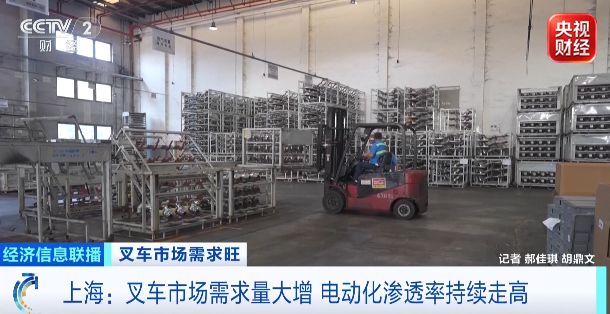
According to CCTV, in the first seven months of 2026 China's forklift sales reached 1,009,773 units, up 17.7% year on year, while exports rose 22% to more than 380,000 units. The footage showed production lines running at full capacity: in Zhejiang, several manufacturers hold orders into the fourth quarter, and one electric pallet-truck line rolls out a unit every two minutes, with around 90% bound for overseas markets across nearly 100 countries and regions. China now accounts for more than 35% of the global electric forklift market — the world's largest single market for electric models.
CCTV framed the growth as an upgrade in demand: Chinese forklifts are moving from internal combustion to electric, and from simple handling to intelligent decision-making. Analysts cited by the report attribute the momentum to strong cost-performance, energy efficiency and rising overseas appetite for low-carbon equipment. As buyers abroad write "electric, space-saving and customizable" into their specifications, the basis of competition has changed.
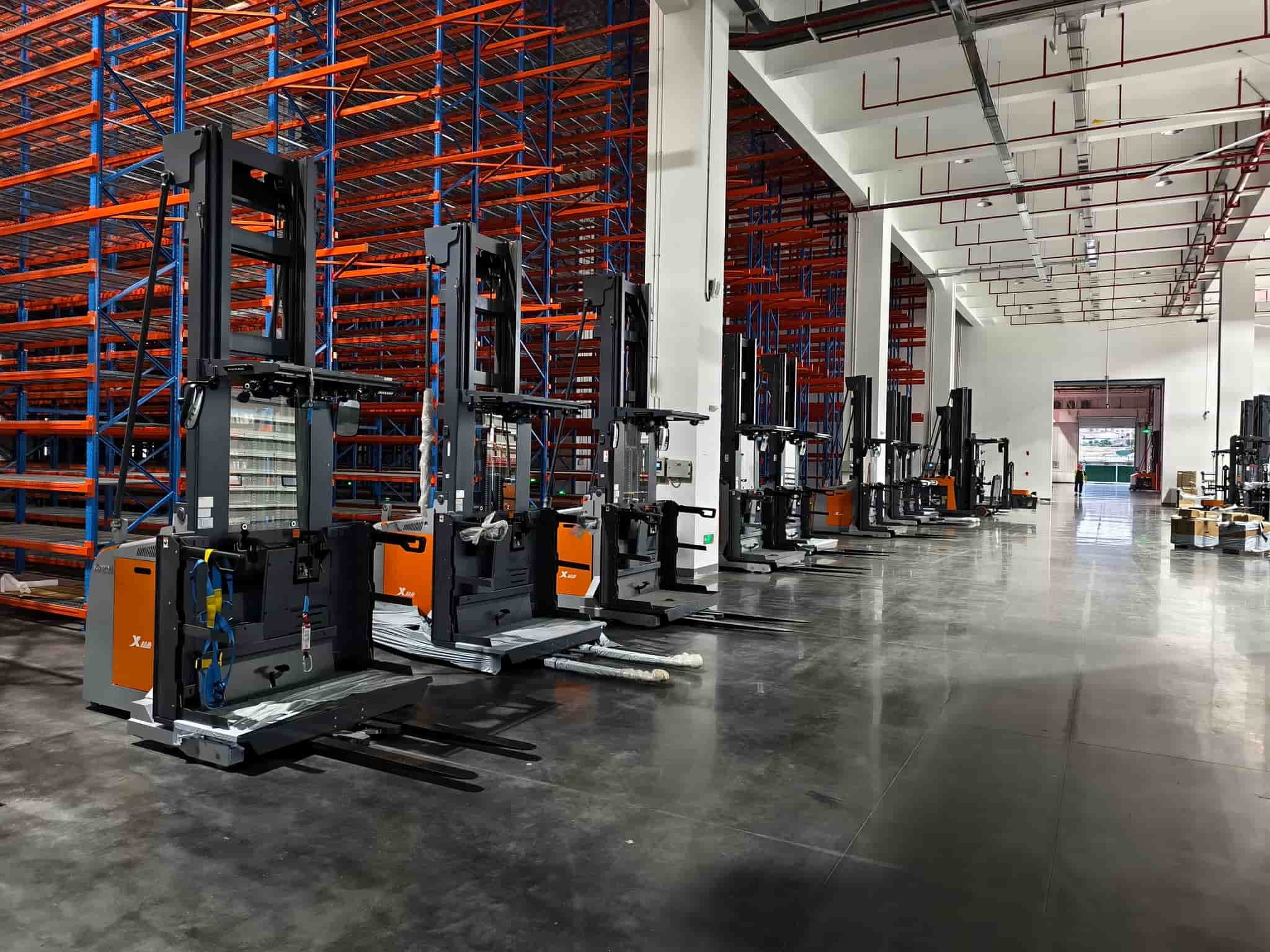
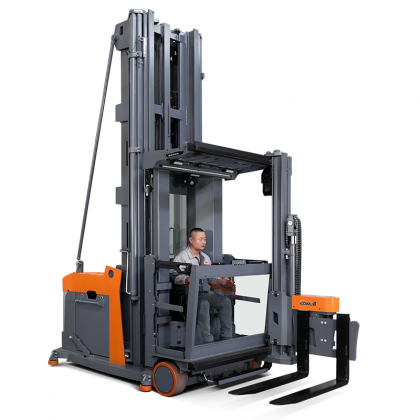
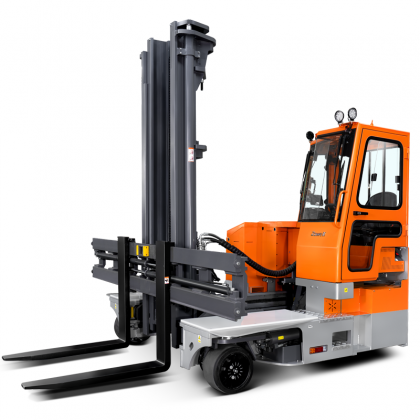
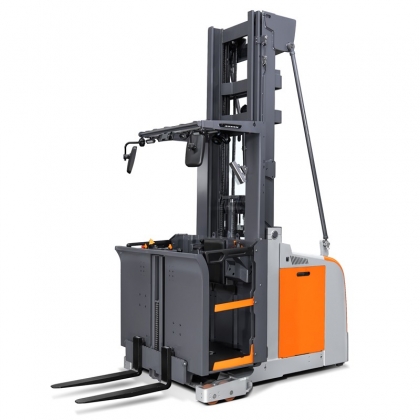
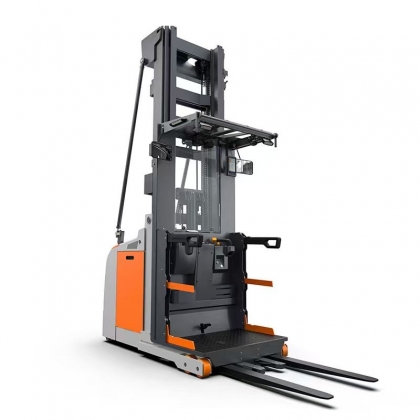
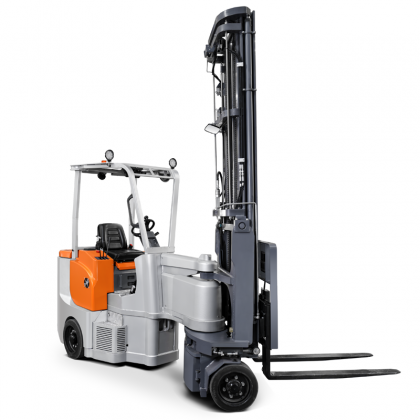
Real competitiveness was never about the lowest price — it is about helping customers get value from every square meter. In conventional wide-aisle warehouses, much of the floor is given to operating aisles rather than usable storage, persistently dragging down space utilization. With Very Narrow Aisle (VNA) forklifts at its core, Zowell narrows the aisle width to reclaim wasted floor, raise storage density and improve space utilization — without expanding the building footprint.
As land and labor costs keep climbing, this translates directly into a lower cost per stored unit. For distributors, manufacturers and third-party logistics operators, narrow-aisle electric handling is no longer a niche choice but a practical response to cost pressure: store more in the same area, move goods more smoothly at the same volume.
Zowell's narrow-aisle products are developed as electric platforms from the start, not retrofitted from combustion models. Low emissions and low operating cost meet the environmental and energy expectations overseas customers now treat as baseline; in settings where every vertical meter carries a cost, the electric high-density approach answers both "save space" and "cut carbon" at once. As global logistics decarbonizes, electrification is no longer a bonus — it is the ticket to entry.
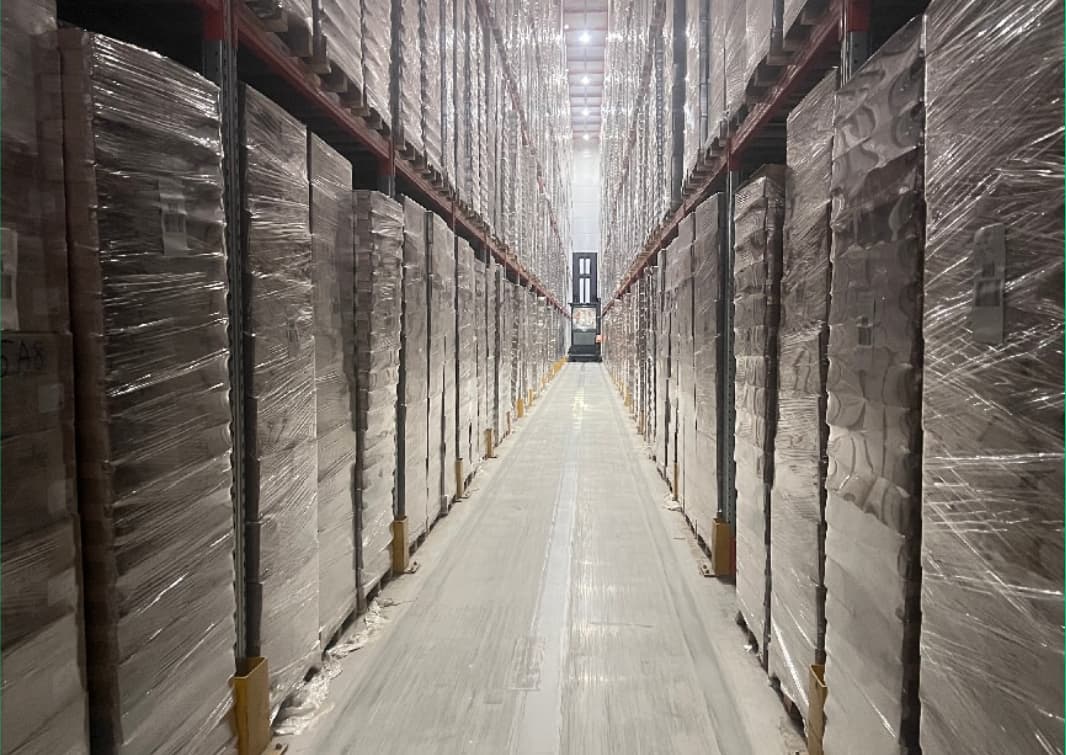
What the CCTV report makes clear is that overseas buyers no longer shop on price alone. Higher storage density, lower labor dependence and lower carbon footprint are becoming hard selection criteria. Zowell's focus on narrow-aisle high-density storage, paired with customization to each customer's operating conditions, is how it turns the industry's export momentum into value customers can feel and measure.
Beyond its general narrow-aisle range, Zowell also offers autonomous AGV intelligent forklifts and cold-chain models rated to -25°C, which can be combined to fit a wider map of customer needs.
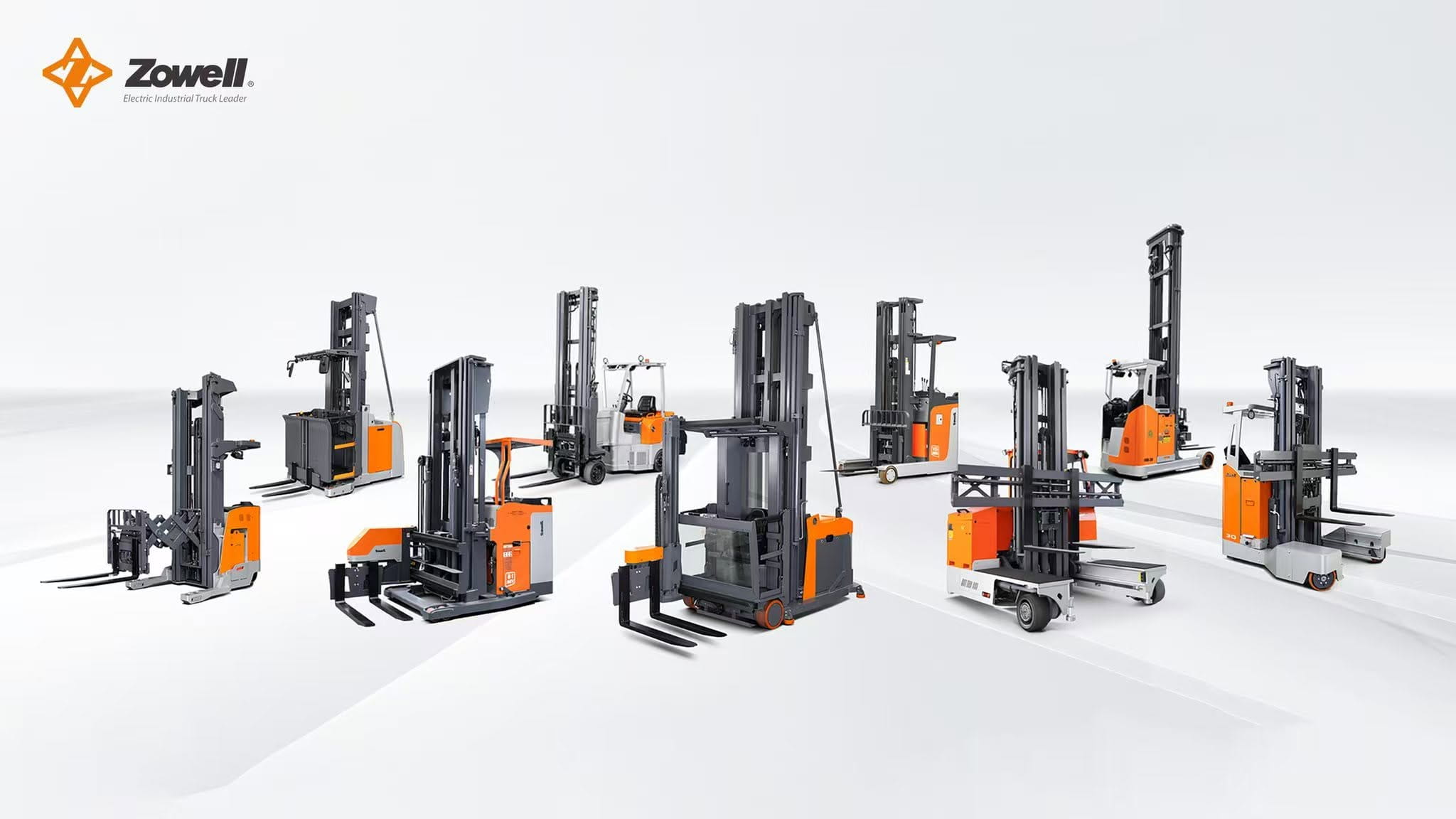
The CCTV spotlight on China's forklift exporters is, at its core, a story of a manufacturing base moving up the value chain. Zowell will stay on its path of specialized, electric and intelligent narrow-aisle handling, keep refining products around real customer conditions, and deliver reliable, efficient and customizable material handling solutions to customers worldwide. Global logistics keeps electrifying and automating, and Zowell is ready to move forward with its partners.
 English
 English
 français
 русский
 italiano
 español
 português
 العربية
 한국의
 ไทย
 Tiếng Việt